
Associations of Late-Onset Epilepsy with Myocardial Infarction and Nonstroke Vascular Death
Late-onset epilepsy may mark increased systemic vascular risk outside the brain. Read the article.

Late-onset epilepsy may mark increased systemic vascular risk outside the brain. Read the article.

Since starting the medical diet, Armando hasn’t had seizure clusters or hospital stays. Read the article.

Infectious diseases are known to trigger acute seizures, but their long-term impact on epilepsy, especially later in life, is unclear. Read the article.
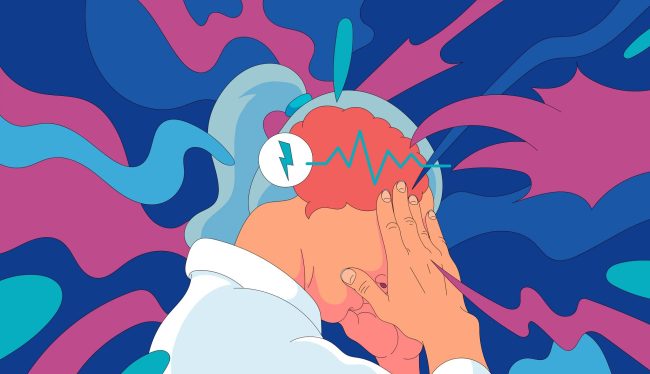
Late onset epilepsy becomes more common after age 50. Learn more.
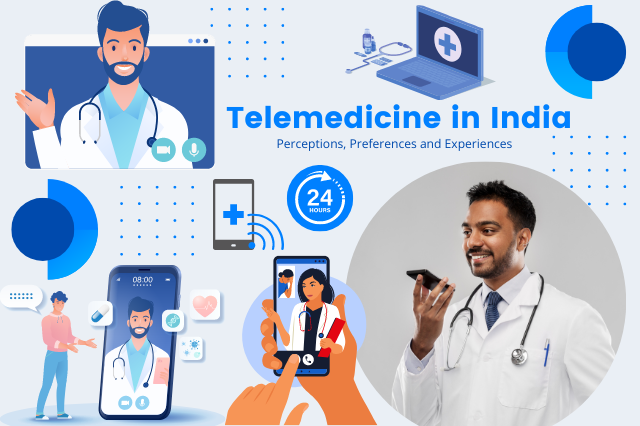
Lack of awareness, including digital literacy among patients, and lack of training for providers were important barriers. Read the article.
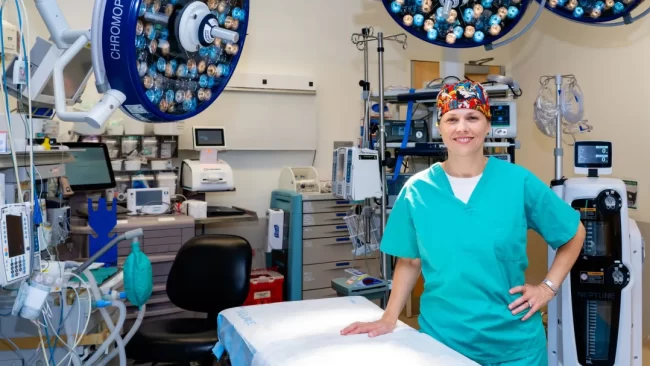
“Most of my research for the last five years has been on new ways to use technology to help more patients.” Read the article.
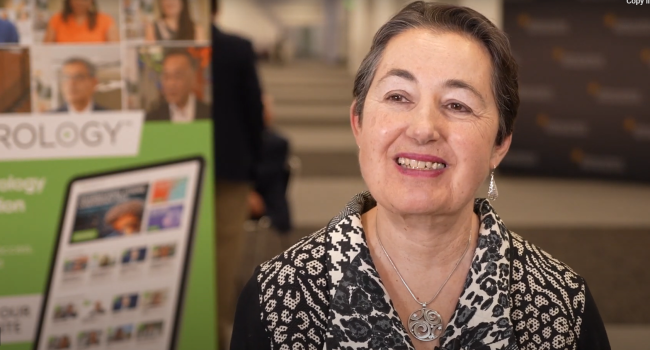
“Healthcare workers should keep searching for the best treatment regimen, no matter how many therapies they may need to try.” Read the article.

“What we learned is that primary healthcare workers are important, making medicines available is important.” Listen to the podcast.

Medications don’t halt seizures for about one-third of people with epilepsy. For these people, there are other options. Read the article.

Mental health problems have a significant impact. They are bigger predictors of poor quality of life, than seizure frequency. Read the article.