
The Role of Social Context in Epilepsy Outcomes
Non-medical factors contribute to outcomes across the lifespan in people with epilepsy, highlighting real world impacts of integrated interventions. Learn more.

Non-medical factors contribute to outcomes across the lifespan in people with epilepsy, highlighting real world impacts of integrated interventions. Learn more.

These results may help providers communicate with parents concerned about potential risks of epilepsy. Learn more
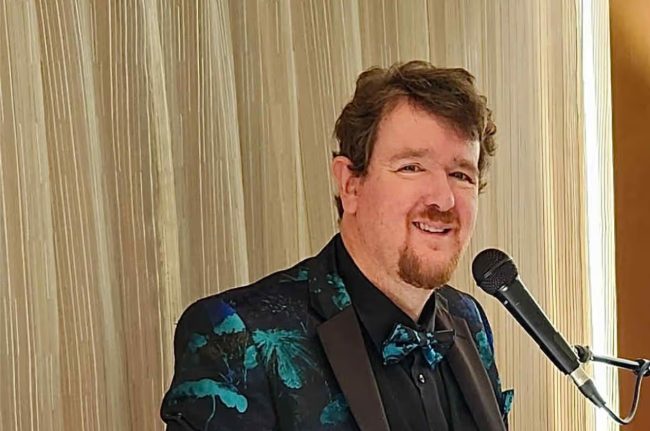
Guy Stoker has campaigned to support people, like him, living with epilepsy – but says dealing with stigma can be tough. Read the article.
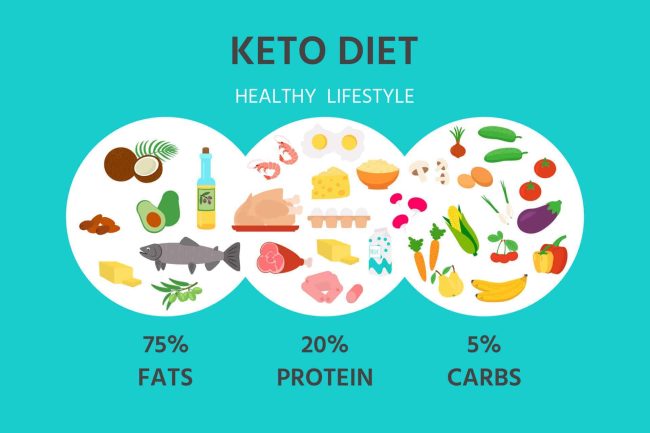
New research reveals how the popular, low-card ketogenic diet protects against epilepsy seizures and possibly diseases such as Alzheimer’s and Parkinson’s. Learn more.
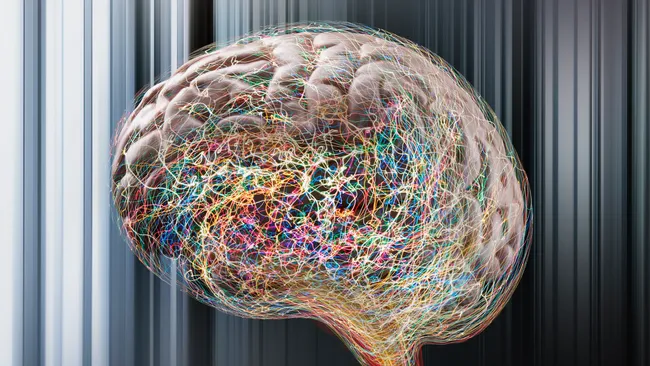
This study could pave the way for medications that actually target the causes of epilepsy, rather than just treating symptoms. Learn more.
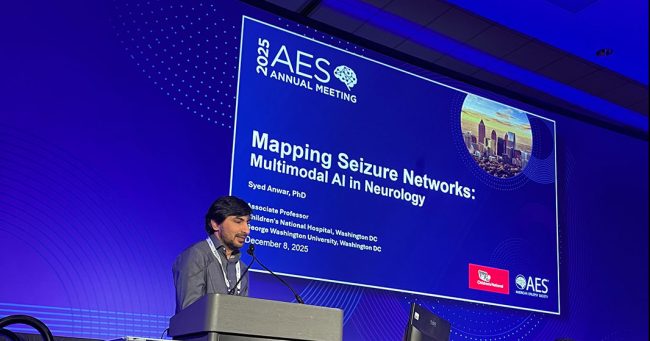
The AES conference unites a global community of practitioners to share scientific breakthroughs. Learn more.
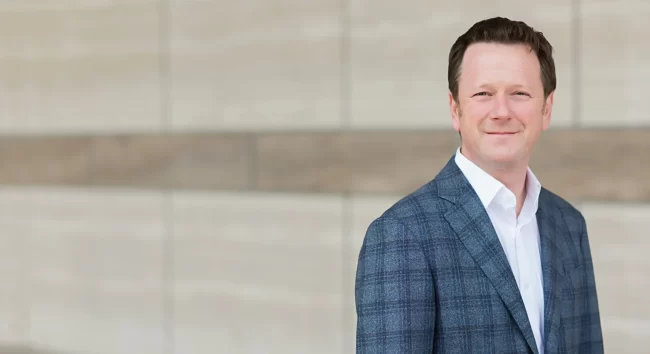
Joseph Sullivan, MD, discussed the importance of initiating transition-of-care conversations early, emphasizing psychosocial context. Watch the video.

Epilepsy and dementia often overlap in later life, yet few programs exist to support older individuals facing both conditions. Learn more.

There is a movement towards a more holistic approach to the management of childhood epilepsy. Learn more.
While ADHD does not preclude epilepsy surgery, it may influence the decision-making process for families and clinicians, sometimes leading to delay. Listen to the interview.