
Thousands in Appalachia Estimated to Have Undiagnosed Epilepsy
Experts estimate that fewer than 10% of people with epilepsy in Appalachia receive treatment, leading to delayed diagnoses, preventable injuries, and deaths. Learn more.

Experts estimate that fewer than 10% of people with epilepsy in Appalachia receive treatment, leading to delayed diagnoses, preventable injuries, and deaths. Learn more.

A U.S. Army Veteran recently became the first patient in the VA system to receive cutting-edge minimally invasive laser treatment for focal epilepsy. Learn more.
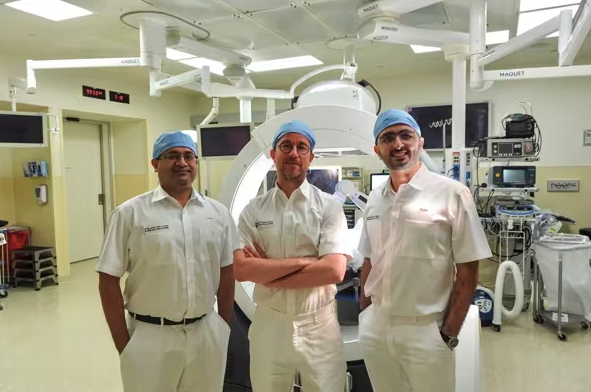
Cleveland Clinic Abu Dhabi becomes the first hospital in the Gulf to introduce Laser Interstitial Thermal Therapy for the treatment of epilepsy. Learn more.
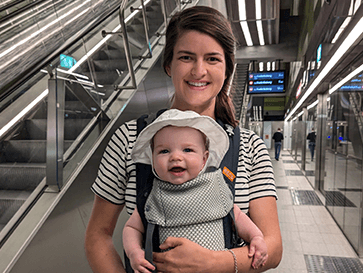
Amanda has been able to maintain control of her seizures with antiseizure medication since she was first diagnosed. But pregnancy offered her new challenges. Read more.
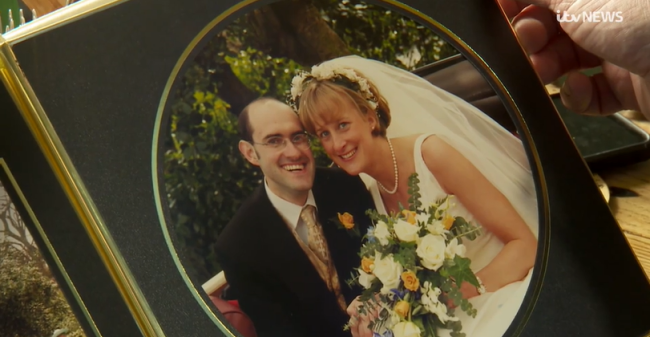
A man shares how years of seizures and memory loss left him unable to remember major milestones, including his own wedding day, highlighting the often-unseen impacts of epilepsy beyond seizures…
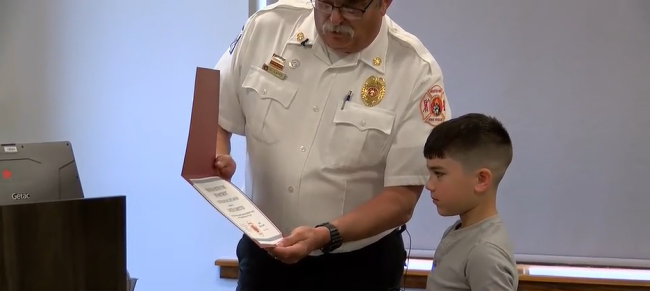
7-year-old Carter Chretien is being recognized as a hero after his quick thinking helped save his cousin’s life during a seizure in a swimming pool. Read more.

Nearly three-quarters of young people with epilepsy successfully transition to adult care, which is linked to better seizure control and continued seizure freedom. Learn more.
Children with epilepsy have a fifth higher risk of having autism spectrum disorder (ASD), a new study says. Learn more.

Dodgers star Freddie Freeman made a teen’s dream come true with a memorable visit to Dodger Stadium. Read more.

As climate change brings more intense heat waves, new research suggests rising temperatures may especially affect people with rare genetic conditions, including some epilepsies. Learn more.