
Recognizing Epilepsy in Older Adults: Why Awareness Matters
Seizures in older adults can be subtle and mistaken for memory problems, dementia, or normal aging, making early recognition important. Read more.

Seizures in older adults can be subtle and mistaken for memory problems, dementia, or normal aging, making early recognition important. Read more.

After her daughter developed severe epilepsy, Tracy Dixon-Salazar pursued a career in neuroscience and ultimately helped uncover a genetic clue that led to a treatment that transformed her daughter’s life. Read…

Adults aged 55 years and above are vulnerable to depression and reduced quality of life, a US study suggests. Learn more.

How one Veteran underwent a groundbreaking procedure that could change everything. Read more.

Scientists have discovered how epileptic activity in the brain can affect how different areas of the brain interact during sleep, affecting consolidation of new memories. Read more.

Mark Welp talks with OSF HealthCare neurologists Dr. Thandar Aung and Dr. Tiffani Franada about epilepsy and seizures. Watch now.

A girl’s family became concerned when she started waving her hand hundreds of times a day. Finally diagnosed with a rare epilepsy, a surprising treatment made a “crazy” difference. Read more.

A young man with epilepsy is helping researchers gain a rare look at how the human brain processes memory and navigation in real time. Learn more.
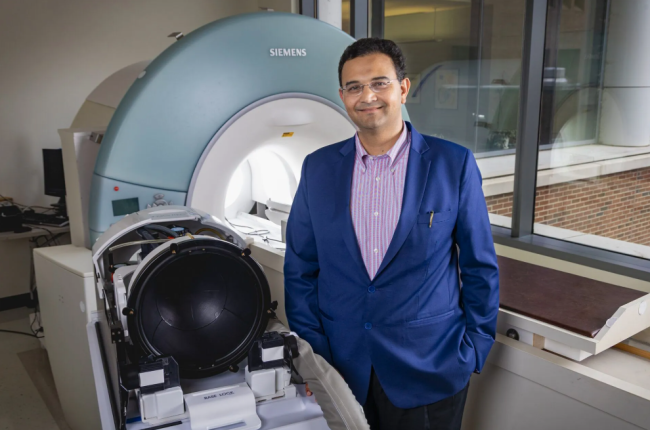
Researchers are exploring the use of focused ultrasound technology to precisely target seizure-causing brain tissue, offering hope for less invasive treatment options for people with drug-resistant epilepsy. Learn more.
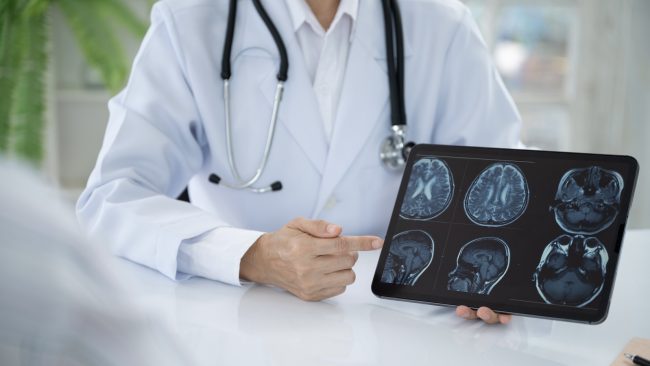
Epilepsy is more than seizures, this article explores the importance of accurate diagnosis, personalized treatment, and support for people living with the condition. Learn more.