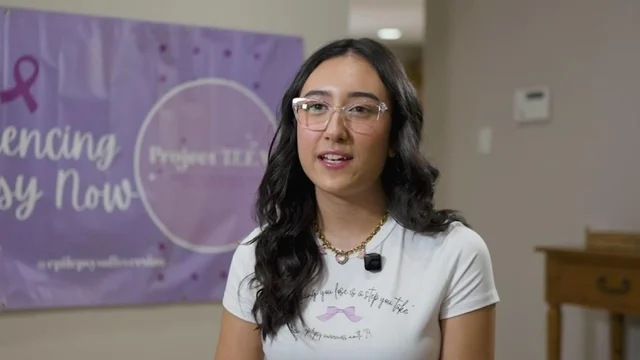
South Florida Teen Turns Adversity into Action for Others
Sofi Quintana doesn’t let her epilepsy diagnosis define her—she turned it into a movement so other teens never feel alone. Read the article.

Sofi Quintana doesn’t let her epilepsy diagnosis define her—she turned it into a movement so other teens never feel alone. Read the article.

A national seizure safety public service announcement (PSA) campaign will run in AMC Theatres across the United States. Learn more.
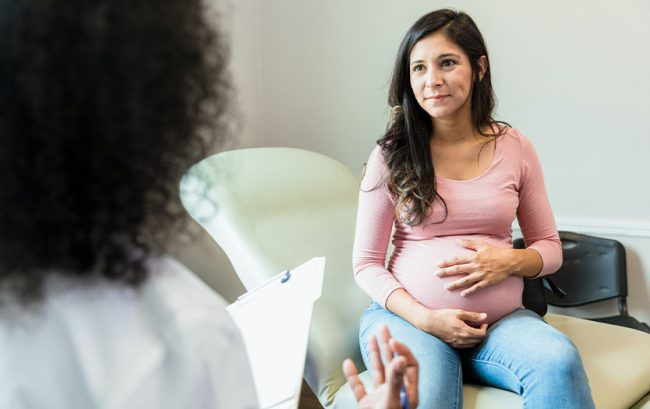
Clinicians now have clear guidance on how to adjust antiseizure medication, across gestation into the postpartum period, to reduce seizure risks to mother and child. Learn more
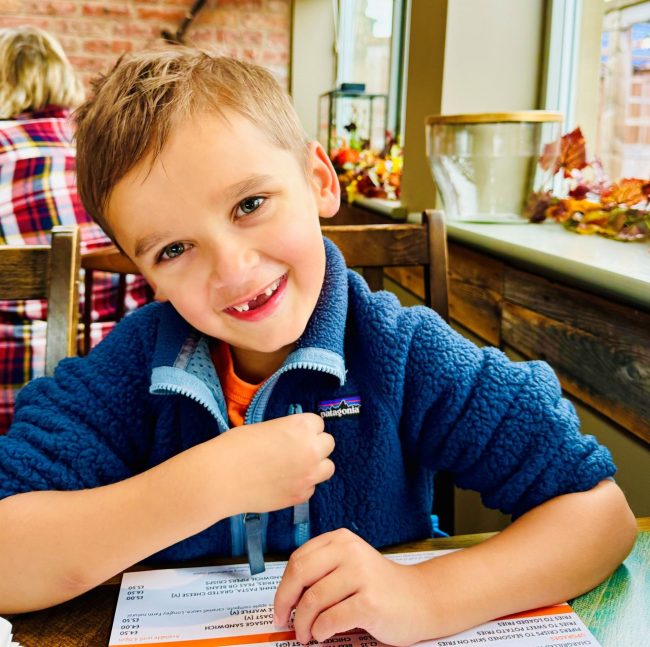
A new drug is transforming the lives of children born with a severe form of epilepsy. Eight-year-old Freddie Truelove is one of the first children in the UK to receive…
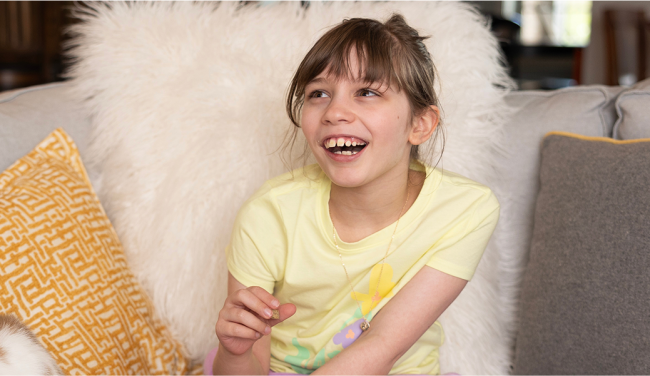
A new experimental drug is showing remarkable promise for children with Dravet syndrome. Learn more.
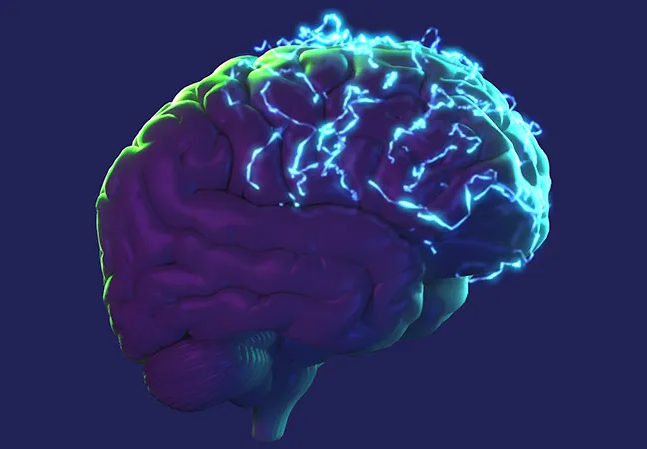
Researchers at Cleveland Clinic in Florida suggest that surgical treatment may reduce anxiety in about 25% of patients with temporal lobe epilepsy (TLE). Learn more.
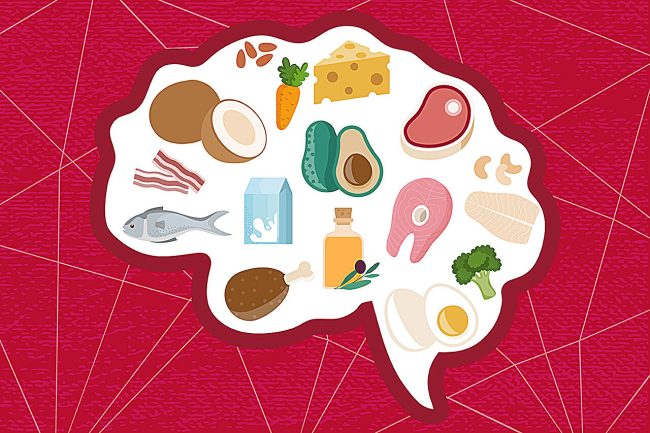
New findings in mice shed light on the brain’s response to the keto diet, long known to help treat some patients with epilepsy. Learn more.
Finding humor in the hardest moments, Jane Rogers shares a hilariously honest memoir about life with epilepsy. Read the article here.
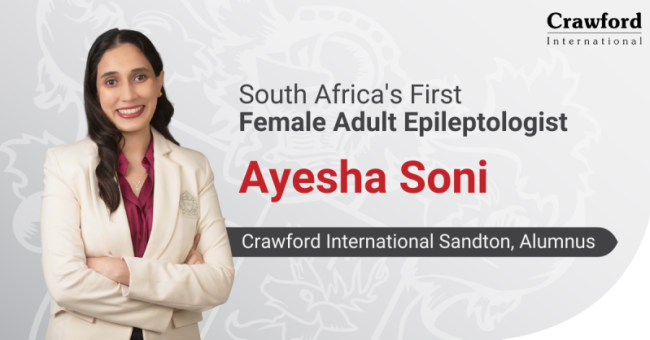
Aayesha Soni is the first South African woman to receive international training as an epileptologist for adult patients. Learn about her work here.
Scientists are developing new methods to better understand the impact of epilepsy – from the patient’s perspective. Listen here.